

“Real Stories Make a Real Generation.” – Layann Albanna
One of my favorite required-reading books in school was Harper Lee’s To Kill a Mockingbird. No, not because Scout was once dressed in a ham costume during a pageant—though that earns it some bonus points—but because it didn’t follow the typical hero’s journey. It doesn’t tell a perfect fairytale where the righteous, hardworking character ends up getting what they deserve, whether it’s the damsel, the throne, or long-awaited recognition. My eighth-grade English class required us to read To Kill a Mockingbird, but I just barely made it in time shortly before the book was banned in some American cities. In 2022, it was removed from mandatory reading lists in a Santa Clarita, California, high school, and teachers were prohibited from using it in the curriculum. In 2018, it was also removed from an eighth-grade curriculum in Biloxi, Mississippi, and ceased further instruction due to parental complaints. It has drawn challenges, teaching restrictions, and removal from required reading lists for its depictions of Black people, use of racial slurs, and themes of rape and incest. In fact, over half (57%) of the banned titles during the 2023-2024 school year—which PEN America recorded as 10,046 books—include sex-related themes or depictions, due to ramped-up attacks on “sexual content.”
Since 2021, a growing movement to ban books has threatened students’ freedom to read, driven by extreme conservative beliefs about what is considered appropriate in schools. Through local campaigns and state legislation, this movement has placed intense pressure on school districts, administrators, librarians, and educators. It has targeted an astonishing range of books and topics—from picture books and young adult novels to literary classics. Titles as varied as Captain Underpants, Roots, The Handmaid’s Tale, and even the Merriam–Webster Dictionary have come under fire. Year after year, this effort to censor and ideologically control literature in public education continues to expand.
Book bans are troubling on their own, but they also signal a broader rise in educational censorship that has affected not only K-12 public schools since 2021, but also public libraries, colleges, and universities. Across these institutions, we’ve seen a wave of policy changes and new state laws designed to restrict education about certain perspectives, identities, and histories—especially those related to people of color, LGBTQ+ individuals, and sex. This broader campaign relies on misinformation, fear, and hate to dehumanize, silence, and marginalize vital voices in the public sphere—and it is actively reshaping American public education.
Most of these banned titles are written for young adult audiences and depict topics young people confront in the real world, including grief and death, experiences with substance abuse, suicide, depression, mental health concerns, and sexual violence. So, why are they being banned if they beneficially expose the privileged to experiences that the underprivileged undergo and topics that teenagers should be familiar with before adulthood?
Bruce Friedman, a Florida activist often dubbed the “Michael Jordan of book banning,” has explained his rationale in plain terms: “My campaign is about protecting children from what I describe as a surge in books promoting ‘corrupting’ ideologies, from critical race theory to gender identity. They serve no good function except to promote chaos, create customers for ‘Planned Parenthood’ and destroy the nuclear family.” Conversely, Democratic Floridan Representative Maxwell Frost argues that “book bans are a baseless attack on our civil rights and civil liberties under the guise of parental rights,” and “books are one of the last places of refuge … and now that’s being taken away from us too.”
Books should not be banned, especially not now, when young people are more in need of diverse stories, complex truths, and honest perspectives than ever before. We’re the ones being directly impacted by these bans, yet we’re the least likely to be consulted when decisions are made about what we should or shouldn’t be allowed to read. Nobody can afford to stay quiet while books that reflect a myriad of identities, challenges, and realities are removed from shelves. If a book opens someone’s eyes to a life different from their own, that’s not dangerous; it’s necessary. We need to speak out at school board meetings, organize with classmates, write to local leaders, and use our voices online and in person to push back. And if we don’t fight for the right to read freely, no one else will do it for us.
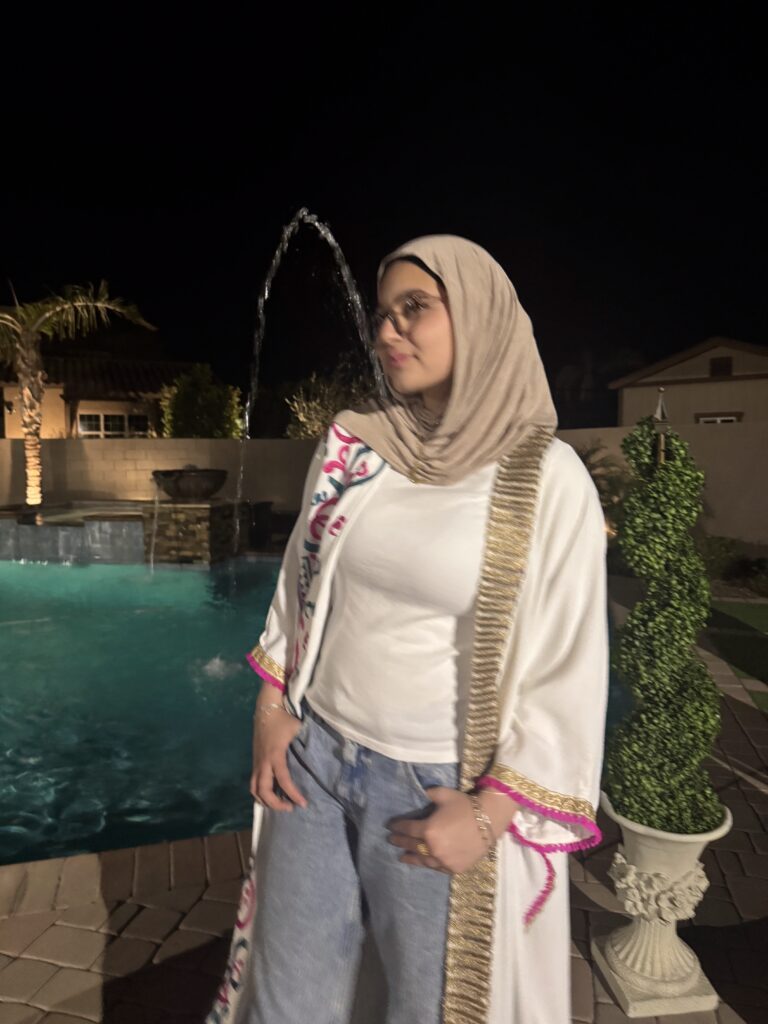
– Layann Albanna, 2025 Summer Intern