

*Keli Osborn is non-partisan and does not publicly support or endorse any political party or organization, including Arizona List, due to her status as a social worker and school board member.
Politics are for the people — but who are the people for politics?
Everybody is concerned about politics, with a major focus typically being on our federal elections. Everyone wants to know who the president is or who their state congressman is, but have you ever stopped to think about the people who run your city? Have you ever thought of the specific politicians who work in your school board or run the city council? Local elections are vital, yet they are often overlooked because of the importance and presence of federal elections. But it is necessary to think of your local politicians, especially when considering that their actions will directly and immediately impact you and your community. These local politicians are more than just political electees, they are the people you see at the grocery store, the person next to you at the gym, and even the parent of your child’s best friend.
These local politicians are able to be more involved within their areas and meet with people in their community more often than federal electees, as they are focused on specific areas rather than nationwide conflicts. This approachability can be seen more often than not, such as through the interview I hosted with Keli Osborn.
The life of your local school board
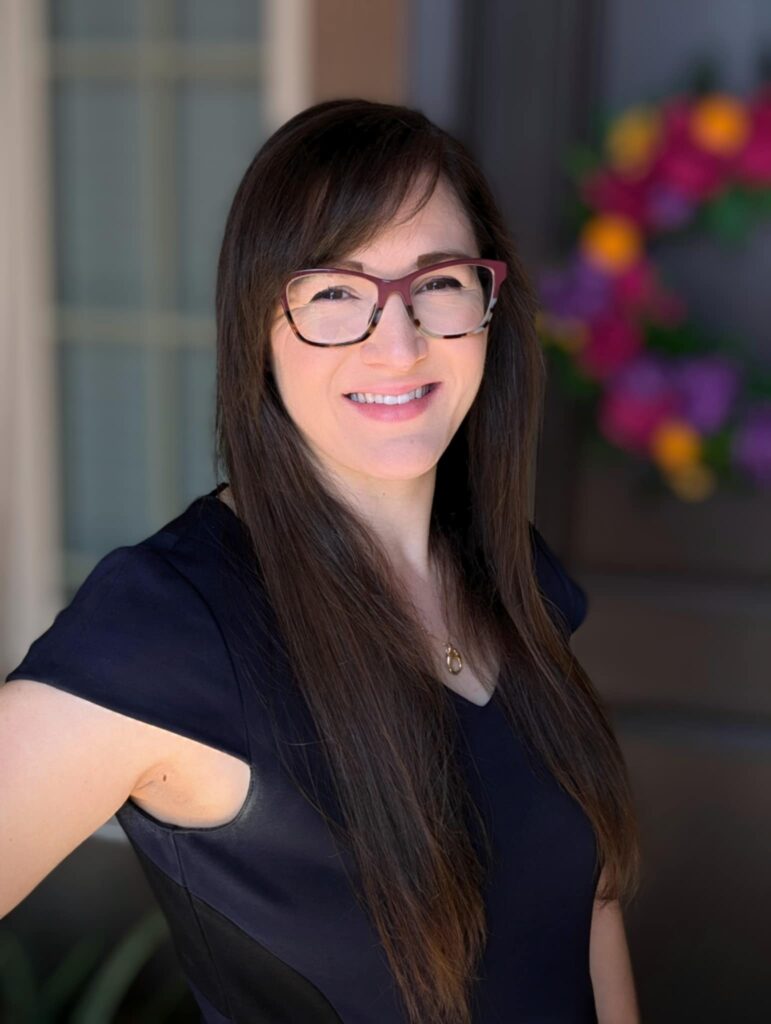
Keli Osborn grew up and received her college degrees in social work in Michigan. This is the same place where she met and fell in love with her husband, who is a social studies teacher. Even though she had an established life back in Michigan, she and her husband decided to take a chance, and they moved to Yuma County, AZ for a fresh start and more prosperous job opportunities. Even though she was not an Arizona native, she quickly fell in love with the Hispanic community, the culture found in Southern Arizona, and her ability to positively make change within this area. Now, after a few years of settling into this new culture and community, she has started a new pathway in her life by running and getting elected to the Crane District School Board.
With her experience as a mother and the wife of a teacher, she has many direct experiences dealing with education within Yuma County. This is furthered by her job as a social worker which has allowed her to expand her worldview and get a firmer grasp on issues surrounding Yuma. She said that one of the most important things to make these local school board meetings accessible is to offer a lower reading level so that people with literacy problems can stay up to date on their children’s education. She fought for this during their local board meeting but was outvoted by her other members without being allowed a discussion. Even though she faces difficulties such as this, her being a young parent and a woman has helped give her a unique perspective to see these issues and to fight for the children and families of Yuma. Part of the reason why some of her ideas that would be beneficial, such as the lower reading level transcripts for meetings, get shut down is because older members are out of touch with the average modern family. This is why she believes it is so important for her to be on this board, as it allows her to help make change and further a legacy for other young candidates to try for local positions.
In addition to this, she’s been able to identify some main issues that need to be focused on at the local community level. She’s found that one of the most pressing issues for this upcoming generation is establishing programs and teaching children how to navigate a healthy technology-life balance. For this upcoming generation, they are digital natives, which makes it a complex situation when trying to figure out how to prepare the youth to handle in-person experiences while addressing the presence of technology and social media. This is something that the school boards can potentially start addressing by holding informational meetings advocating for new programs for media literacy and balance. Although, this boils down to implementing it in the daily life of children, which would mean cooperation from families. This is where solving issues like this becomes difficult, especially when other factors such as internet access and poverty are intertwined within communities. This specific combination of issues can be found within Yuma County and other rural areas, showing the need for better advocates for our children’s emotional support, privacy, and education. This all starts through awareness and advocacy, which Keli is focused on in all aspects of her life. This can be seen through how she is a parent of young children, her social work career, and her altruistic decision to be part of the Crane District school board.
When we look at cases such as Keli and we take the time to interact with these local political electees, it can work to help bring more awareness around particular issues and help build a sense of camaraderie. This brings back the importance of contacting local representatives and electees as they can help advocate for things that you bring up, and raise awareness to already present issues within your area. Keli displayed this in her interview, helping to show the value of local elections and candidates, as they are the people who can help you build the path for change in your community.
How to make a difference like Keli
f you are interested in getting more involved within your community and making a difference in a positive way, like Keli, she recommends:
1. Choose a main focus and stick to it. If you have your mind set on solving too many varying issues, it will leave your focus divided and your impact will be spread out a little bit over many areas, rather than a lot in one area. This will diminish your effectiveness in sparking the change that you would like to see, so keep your goals practical and honed into one topic at a time.
2. Start strengthening your personal support system. Having this personal connection with family and friends will help to give you people to cheer you on and encourage you when things get tough. They will also help to give you a safe space for talking about how your journey making a difference may be challenging.
3. Start or grow your professional support system. Find colleagues, mentors, or other people in your same position who can help give you next steps, take over tasks to prevent your burnout, and give you advice on how to handle issues that arise in your journey.
4. Take the dive. You may be nervous, scared, or overwhelmed by the issue you are trying to address. There may even be unforeseen hoops that you have to jump through to fix the issue, but this is all a normal part of sparking change. As long as you stay true to your motivations and keep pushing forward with confidence, your perseverance will pay off.
– 2025 Summer Intern Marlee Hewlett